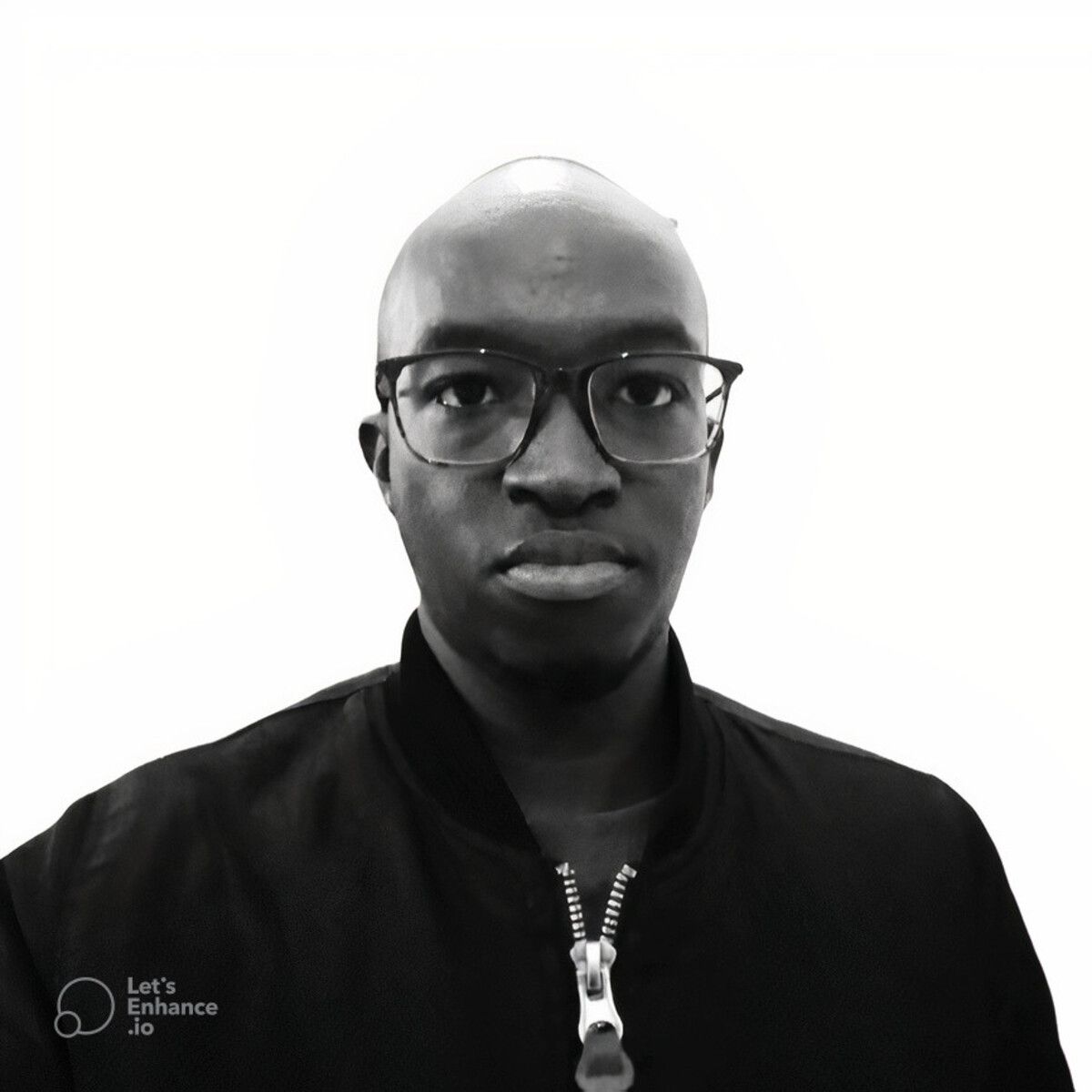

November 24, 2025. Peter Steinberger (the guy who built PSPDFKit and sold it as Nutrient) quietly pushed some code to GitHub. It was supposed to be a weekend project. A personal AI assistant that actually did things instead of just suggesting you do things. Nothing fancy.
Eleven days later, the repository gained 9,000 stars in 24 hours.
This is the story of how a space lobster named Clawd became the fastest-growing AI project on GitHub, got threatened by Anthropic’s lawyers, survived a crypto pump-and-dump scam, watched its creator accidentally break his own GitHub account, and changed its name twice in three days.
Welcome to the chaos.
Act I: The Weekend That Wasn’t
Steinberger came out of retirement to build this thing. He’d been writing about his workflow for years. His blog post “Claude Code is my computer” went viral in late 2024. He was tired of AI assistants that needed hand-holding.
The idea was simple: What if your AI assistant lived in WhatsApp? Or Telegram? Or iMessage? And what if instead of drafting an email for you to send, it just… sent the email?
The mascot was a space lobster. The name was “Clawdbot,” a playful nod to Anthropic’s Claude models that powered the thing. People loved it.
By December 3rd, the GitHub repo was trending worldwide. Early adopters were posting screenshots of their new AI handling inbox zero, negotiating car purchases through chat, checking them in for flights at exactly the 24-hour mark. One person had it managing their smart home. Another taught it to file insurance claims.
The Discord server exploded to 8,900 members in days. Then 50,000. Then 100,000.
It wasn’t just the technical accomplishment. Plenty of projects claim to be “agentic AI.” It was the vibe. Steinberger had built what everyone wanted since Siri launched in 2011: an AI that actually worked.
Plus, you know, space lobster.
Act II: Anthropic Enters the Chat
January 27, 2026. 5 AM.
Steinberger woke up to an email from Anthropic’s legal team. Polite, professional, inevitable: “Clawd” was too close to “Claude.” The lobster mascot created consumer confusion. Could he please change the name?
To his credit, Steinberger didn’t fight it. “Honestly? ‘Molt’ fits perfectly since it’s what lobsters do to grow.”
The community voted. Over 100,000 Discord members weighed in real-time. “Moltbot” won (not just as a legal workaround, but as symbolism). Lobsters molt to grow. The project was shedding its shell.
Then came what Steinberger would later call “the 10-second disaster.”
The plan was simple:
Release the @clawdbot Twitter handle
Immediately grab @moltbot
Announce the rebrand
But what actually happened:
Released @clawdbot
10 seconds of chaos
Crypto scammers had already grabbed @clawdbot and were promoting a fake $CLAWD token
By the time Steinberger secured @moltbot, the damage was done. The scam token pumped to a $16 million market cap before crashing 90%. The fake @clawdbot account was posting “migration instructions” and fooling early community members.
Oh, and then Steinberger accidentally renamed his personal GitHub account instead of the organization account, briefly breaking authentication for thousands of users.
The internet had a field day.
The Crypto Bros Arrive (Uninvited)
Here’s where things got weird.
The crypto community had been all over Clawdbot from the start. People were hooking it up to Hyperliquid to auto-trade perpetuals. Others connected it to Polymarket for automated betting. One guy claimed his lobster was making him money while he slept.
Steinberger was not amused.
“Crypto folks, stop harassing me,” he posted. “I will never do a coin.”
He branded any token claiming his involvement a “SCAM” and insisted he would not accept fees.
The crypto people , bless their hearts, responded by launching more tokens. The original $CLAWD scam was followed by $MOLT. Both followed the classic memecoin trajectory: pump, dump, angry Twitter threads.
Meanwhile, security researchers were finding exposed servers everywhere. Hundreds of Clawdbot instances running with zero authentication, API keys sitting in public GitHub repos, people giving Claude “total control of their wallet.dat files” as one observer put it.
SlowMist, a crypto security firm, started documenting the vulnerabilities. “Multiple unauthenticated instances are publicly accessible,” they warned. “Several code flaws may lead to credential theft and even remote code execution.”
Steinberger was getting harassed from all sides. Crypto scammers wanted him to endorse tokens. Security people wanted him to lock down the code. Users wanted features. Anthropic’s lawyers wanted the name changed. The Discord was chaos.
And this was only day two of Moltbot.
Act III: The Third Molt
January 30, 2026. 72 hours after becoming Moltbot.
Steinberger announced the project was changing names again.
To OpenClaw.
This wasn’t a legal requirement. Moltbot was fine trademark-wise. This was a reset. The Moltbot name carried baggage. The chaotic rebrand. The crypto scams. The security panic. The GitHub disaster.
“OpenClaw” signaled something different:
“Open” emphasized the open-source, self-hosted nature
“Claw” honored the lobster lineage without trademark issues
Professional maturity. This time they’d done trademark searches before announcing
More importantly, the messaging changed. The announcement was calm. Deliberate. Security-focused.
“Your assistant. Your machine. Your rules.”
That line mattered (especially after watching hundreds of exposed servers get discovered in the wild). The project had crossed from “cool hack” to “serious infrastructure.” The tone finally matched that reality.
The OpenClaw announcement barely mentioned Anthropic. That was intentional. The “Claude with hands” framing had been viral (and legally fragile). Time to stand on its own.
So What Actually Changed (Besides the Name)
Despite the branding chaos, the codebase never stopped evolving:
The Clawdbot Era (Nov-Jan):
Node.js gateway that stayed running
WhatsApp/Telegram support
Basic “skills” system for plugins
Persistent memory
The Moltbot Chaos (Jan 27–30):
Docker containers added for security
Multi-agent architecture (multiple AIs working together)
Security sandboxing after all those vulnerability reports
The OpenClaw Reset (Now):
ClawdHub skill marketplace with 1000+ community plugins
Ollama integration for local LLMs (no API costs, full privacy)
Line app integration for Asian markets
Web UI for people who don’t want to live in chat apps
Actually secure defaults
The technical vision never changed. An AI assistant that runs on your hardware, works through the apps you already use, and can actually do things. The security improvements just made it less likely to accidentally leak your entire email history.
Some Interesting Numbers
Let’s talk velocity:
9,000 GitHub stars in 24 hours (Nov/Dec 2025)
109,000+ GitHub stars (30th January 2026)
330+ active contributors
103,000 Discord members during Moltbot era
330+ active contributors
Thousands of exposed servers found in the wild
$16M peak market cap on a scam token (before 96% crash)
3 names in 67 days
What People Are Actually Building
The community moved way faster than the rebrand drama. While Steinberger was dealing with lawyers and scammers, people were building:
AI that manages email and actually files things correctly
Calendar agents that negotiate meeting times via group chat
Flight check-in bots that work at exactly T-24 hours
Smart home controllers running through WhatsApp
Multi-agent setups where specialized AIs collaborate over SSH
Voice-controlled workflows using the iOS companion app
Automated insurance claim filing
Morning briefings with news, weather, and calendar
Proactive traffic alerts based on wearable data
One person trained their assistant to monitor Discord communities and alert them to interesting discussions. Another set up a system where multiple AIs work night shifts, passing work between them like a relay race.
The Names (A Reference Guide)
If you’re searching for old tutorials or documentation, here’s what you need to know:
Clawdbot (Nov 2025 — Jan 27, 2026)
Original name
GitHub: github.com/clawdbot/clawdbot (now redirects)
X: @clawdbot (compromised by scammers)
Moltbot (Jan 27–30, 2026)
First rebrand after Anthropic trademark request
“Molty” mascot (still a lobster)
GitHub: github.com/moltbot/moltbot (now redirects)
X: @moltbot (legacy account)
OpenClaw (Jan 30, 2026 — Present)
Current official name
Security-focused positioning
Stable branding and infrastructure
GitHub: github.com/openclaw/openclaw
X: @openclaw
Website: openclaw.ai
Most press coverage still calls it “Moltbot” because that’s when journalists were paying attention. Wikipedia uses “OpenClaw” with extensive notes about the previous names. Reddit threads are a mix of all three.
If you’re searching for information, try all three names. The documentation has mostly been updated, but the internet remembers everything.
Where It Goes From Here
As of early February 2026, OpenClaw has stabilized. The GitHub stars fluctuate between 90–100k. The Discord is still massive. The skill marketplace is growing. People are building real workflows on top of it.
The crypto scammers have mostly moved on (the tokens crashed). The security researchers are still finding edge cases, but the obvious stuff got fixed. Anthropic seems satisfied with the rebrand.
Steinberger is back to building. The documentation is improving. The community is shipping features faster than the core team.
The promise (an AI assistant that actually works, runs on your hardware, and integrates with tools you already use) is getting closer to reality. Not perfect. Still rough edges. But functional.
And the lobster is still there. Different name, same shell-molting energy.
Links
Official:
Website: openclaw.ai
GitHub: github.com/openclaw/openclaw
Discord: discord.com/invite/openclaw
X: @openclaw
SkillHub: hub.openclaw.ai
Documentation: docs.openclaw.ai
Creator:
Peter Steinberger: @steipete (X)
GitHub: github.com/steipete
Security warning: There are no official cryptocurrency tokens. Any $CLAWD or $MOLT tokens are scams. Official announcements only come from @openclaw on X and openclaw.ai.
Last updated: January 30, 2026. If you’re reading this after another rebrand, I give up.
Follow me to get updates:
@jmusemby on X, Joseph Musembi on LinkedIn and @josephmusembi on Medium